
2Tonle Sap Lake: Cambodia’s Extraordinary Floating
Nestled in the heart of Cambodia, Tonle Sap Lake is one of Southeast Asia’s most remarkable natural wonders. More than just a lake, it is a living, breathing ecosystem where water shapes every aspect of daily life. From floating villages and stilt houses to traditional fishing communities, a journey across Tonle Sap offers visitors a fascinating glimpse into a unique way of life that has existed for generations.
A Different World on Water
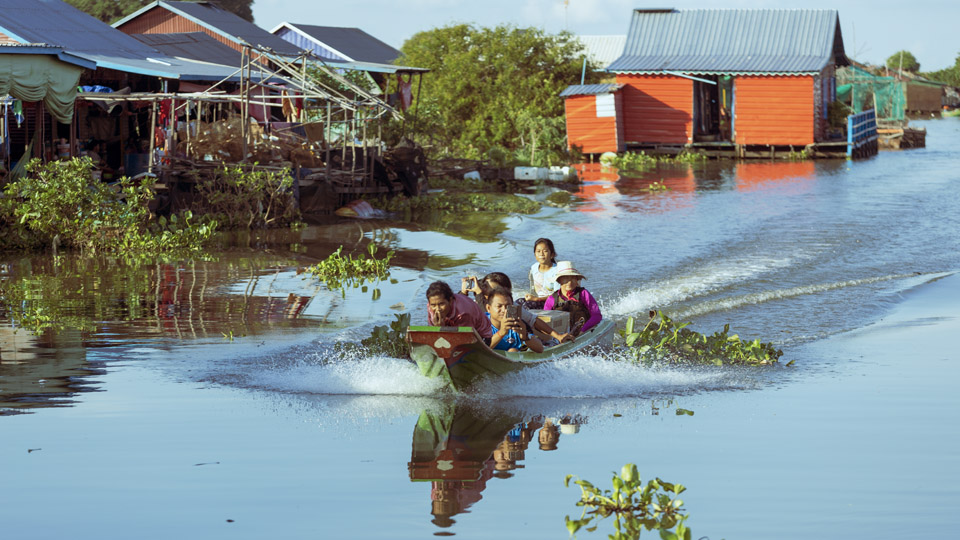
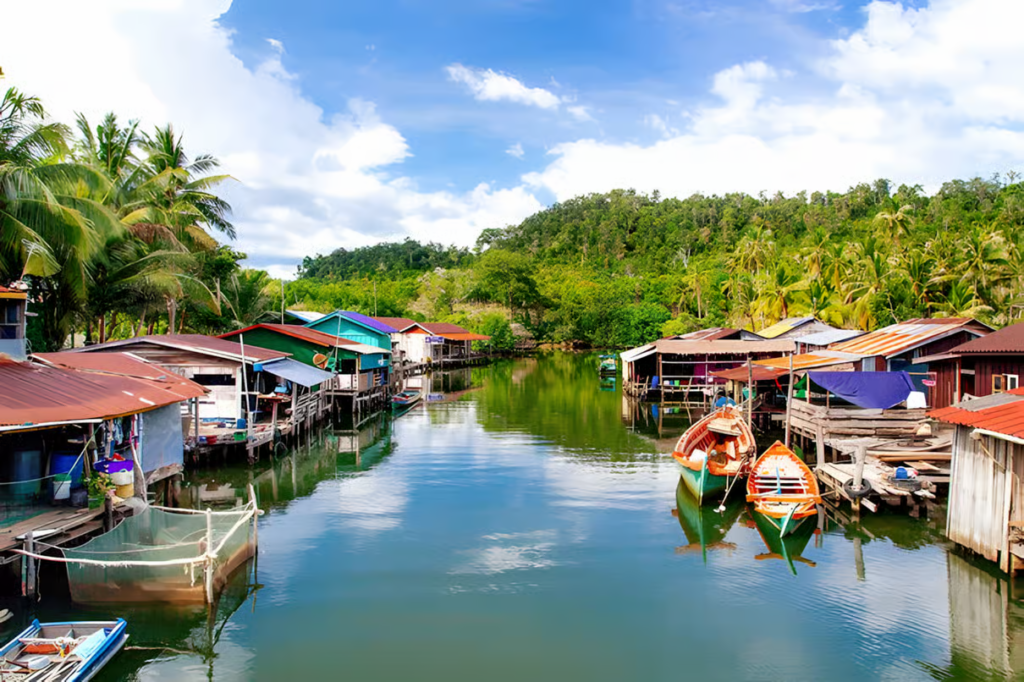
Just an hour from Siem Reap, Tonle Sap Lake provides a striking contrast to the famous temples of Angkor. Here, there are no roads connecting villages. Instead, colorful wooden boats serve as the primary means of transportation, carrying families, students, and fishermen across the vast waterways.
The lake is home to several floating communities, including the well-known villages of Kampong Phluk and Kampong Khleang. Visitors can explore these remarkable settlements by boat, passing floating homes, schools, pagodas, and bustling local markets that thrive on the water.
Life in the Floating Villages
For the people of Tonle Sap, the lake is more than a home—it is their livelihood. Children learn to paddle boats from a young age and often travel to school by boat each day. Fishing remains the primary source of income for many families, with generations relying on the lake’s rich waters to support their communities.
Tonle Sap is considered one of the most productive freshwater fisheries in the world and provides an essential source of food and income for millions of Cambodians.
The Amazing Reversing River
One of the most fascinating features of Tonle Sap Lake is its connection to the Mekong River through the Tonle Sap River. Unlike most rivers, the Tonle Sap River changes direction twice each year.
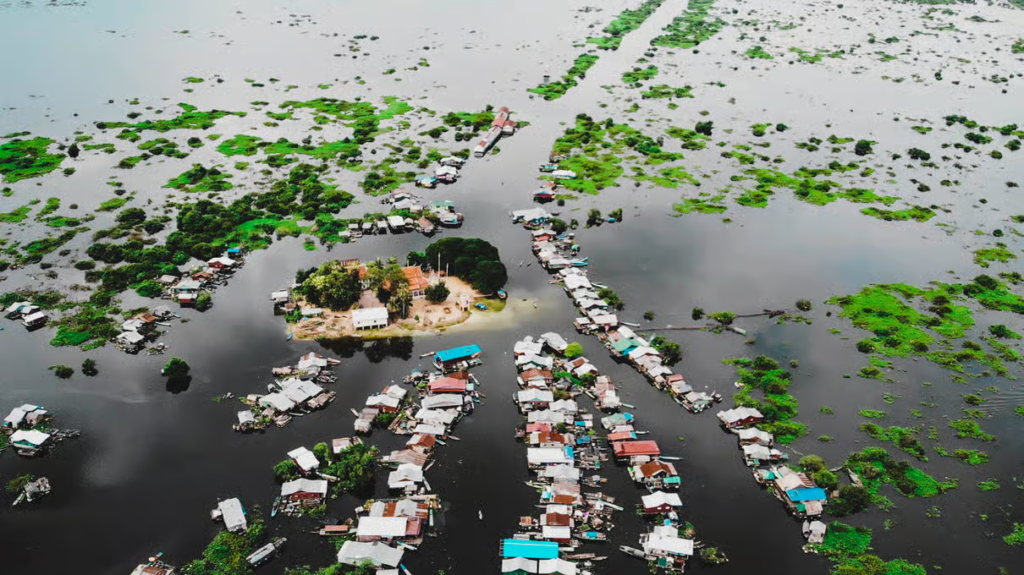
During the rainy season, from May to October, heavy monsoon rains cause the Mekong River to swell, forcing water back into Tonle Sap Lake. As a result, the lake expands dramatically, growing several times its normal size and flooding surrounding forests and wetlands.
When the dry season arrives, the flow reverses once again, draining water from the lake back into the Mekong River. This unique natural phenomenon supports one of the richest freshwater ecosystems on Earth.
Traditional Fishing Culture
Fishing is deeply woven into the culture of Tonle Sap. Along the shores and within the villages, visitors can witness traditional fish preservation methods that have been practiced for centuries.
Freshly caught fish are cleaned, salted, and slowly smoked over wood fires. The rich smoky aroma fills the air as local families prepare one of Cambodia’s most important food sources. Many local restaurants serve smoked fish in traditional soups, salads, and Khmer dishes, offering visitors an authentic taste of life on the lake.
Best Time to Visit Tonle Sap Lake
The most spectacular time to visit Tonle Sap is during the rainy season between May and October. During this period, the lake reaches its highest water levels, and the stilt houses appear to rise dramatically from the water. The flooded forests also create stunning landscapes that are ideal for photography and wildlife viewing.
Explore Tonle Sap with Khmer Detours
At Khmer Detours, we offer carefully designed small-group tours that allow you to experience the authentic beauty of Tonle Sap Lake while avoiding crowded tourist routes. Our knowledgeable local guides provide unique insights into the culture, history, and daily life of the floating villages.
Many of our Tonle Sap tours can also be combined with visits to hidden gems such as Beng Mealea Temple, creating an unforgettable day exploring both Cambodia’s natural and cultural treasures.
Join Khmer Detours and discover why Tonle Sap Lake remains one of Cambodia’s most extraordinary destinations.